Blood Donor lower risk of heart attack and cancer - Recent studies have shown that donating blood may reduce the risk of heart attacks and cancer. This is thought to occur due to decreased levels of high iron in the body.
Iron levels in the body can affect how thick and sticky texture of the blood. High iron content which causes the blood becomes very thick. And increased levels of iron in the body can also speed up the process of oxidation of cholesterol.
This condition can affect the consistency of the blood and creates an increase in friction on the way through the blood vessels. Because this increases the wear and tear in the lining of an artery, it can contribute to an increased risk of cardiovascular disease.
According to a study published by the Journal of the American Medical Association, researchers found that those aged 43 to 61 years who donate blood every six months, lower risk of heart disease.
Showing posts with label heart. Show all posts
Showing posts with label heart. Show all posts
Friday, May 2, 2014

Sunday, March 23, 2014
Omega 3 Fats Slash Inflammation to Fight Cancer and Heart Disease

It is a commonly accepted fact within the medical research community that systemic inflammation is a primary cause of many forms of cancer, heart disease and other chronic diseases that take the lives of millions well before their time. Poor diet, stress and lifestyle factors all contribute to inflammation that overworks body metabolism and encourages damage to the delicate vascular system that feeds our heart. Production of inflammatory chemical markers such as cytokines are accelerated over months and years of exposure that creates an environment known to encourage the spread of cancer cells and propagate cardiovascular disease.
Two independent studies published in the American Journal of Clinical Nutritionhave found that supplementing Omega-3 fats lowers the release of inflammatory biomarkers that are involved in damage to cells called soluble adhesion molecules. Researchers have demonstrated that Omega-3 fats from fish oil supplements effectively lower levels of circulating adhesion molecules to decrease risk of atherosclerosis and counteract the pro-carcinogenic action of these damaging compounds produced by long-term inflammation throughout the body.

Omega-3 Fatty Acids Inhibit Adhesion Molecules to Lower Heart Disease Risk
To prepare their work, researchers conducted a meta-analysis on eighteen separate studies that examined the effect of soluble adhesion molecules (sICAM-1) and Omega-3 fats and their impact on systemic inflammatory markers in the body. The results showed that Omega-3 supplements were associated with sICAM-1 reductions in both healthy people and subjects with abnormal blood lipid levels.
To prepare their work, researchers conducted a meta-analysis on eighteen separate studies that examined the effect of soluble adhesion molecules (sICAM-1) and Omega-3 fats and their impact on systemic inflammatory markers in the body. The results showed that Omega-3 supplements were associated with sICAM-1 reductions in both healthy people and subjects with abnormal blood lipid levels.
The scientists commented “This finding suggests that omega-3 PUFA reduces inflammation by selectively inhibiting monocyte activation rather than endothelial activation… and supports the notion that omega-3 PUFA can be supplemented to prevent the development and progression of atherosclerosis.”The Omega fats were found to lower levels of oxidized LDL cholesterol molecules and decrease particle size, both factors known to lower cardiovascular risk. The fats were also found to inhibit platelet aggregation or clumping and resolve particle adhesion properties to allow blood to flow freely through the vascular arteries.

Eat Fish Three Times Each Week or Supplement Daily with Distilled Fish Oil
A second research study performed in France determined that Omega-3 fats lower breast and prostate cancer risk in a cohort of 408 individuals with the disease, compared to 760 healthy control subjects. The scientists found a direct correlation between cancer development and Omega-3 supplementation, again by inhibiting the expression of adhesion molecules required for cancer cells to propagate.
A second research study performed in France determined that Omega-3 fats lower breast and prostate cancer risk in a cohort of 408 individuals with the disease, compared to 760 healthy control subjects. The scientists found a direct correlation between cancer development and Omega-3 supplementation, again by inhibiting the expression of adhesion molecules required for cancer cells to propagate.
Oily fish is the natural food source for pre-formed DHA and EPA Omega-3 fats. Many people avoid fish due to mercury contamination and unknown harvesting methods, making supplementation with a moleculary distilled form a viable option. Plant-based Omega-3 sources such as walnuts and flax seeds do not provide a good source of the necessary pre-formed long-chain fats, and while they are very healthy foods, do not yield a reliable supply of EPA and DHA fats. Read supplement labeling for a brand yielding 1,200 to 2,400 mg each day of combined EPA/DHA Omega-3 fats to lower the risks associated with heart disease and cancer.
Wednesday, February 12, 2014
Excess Salt Consumption Implicated in Millions of Heart Disease Deaths Worldwide

Excess Dietary Sodium Increases Blood Pressure, Dramatically Raising Incidence of Heart Attack and Stroke
Excess salt consumption from synthetic salt products is a known risk factor for early heart disease, but researchers now report that sodium, largely coming from the disproportionate amount of processed foods that many people eat, is killing millions around the globe. Scientists from the Harvard Medical School and the Harvard School of Public Health now report the result of their research that found how eating too much salt contributed to 2.3 million deaths from heart attacks, strokes and other heart-related diseases throughout the world in 2010, representing 15 percent of all deaths due to these causes.
Researchers presented their findings to the American Heart Associations Epidemiology and Prevention/Nutrition, Physical Activity and Metabolism 2013 Scientific Sessions. Lead study author, Dr. Dariush Mozaffarian commented “National and global public health measures, such as comprehensive sodium reduction programs, could potentially save millions of lives.” To conduct their study, scientists analyzed data from 247 surveys of adult sodium intake, sorted by age, gender, and region spanning 50 countries over a 20 year period.
Lower Daily Salt Intake to 1,000 mg or Below to Limit Vascular Disease
The team then determined how the amount of sodium people were consuming was affecting their risk for cardiovascular disease in a large cohort of 107 randomized trials that determined the impact of sodium consumption on elevation of blood pressure. They determined that an optimal daily sodium intake of 1,000 mg was optimal. The current target in the US for adults is 2,300 mg per day, and many people who eat regularly at fast food restaurants and prepare meals using processed and ined foods can consume 3,500 to 5,000 mg per day, placing them at considerable risk for chronic vascular disease.
Researchers determined that nearly one million deaths occurring during the study period were due to excessive sodium consumption. This represented forty percent of all deaths recorded, as sixty percent occurred in men and forty percent in women. The US ranked nineteenth out of the thirty largest countries where 429 deaths per million (one in ten) were attributable to excess sodium intake. Nutrition experts explain that added salt should always be from natural salts containing the full-spectrum of minerals that encourage healthy cellular metabolism. Eliminating canned and ined food consumption, and closely monitoring processed salt usage could prevent the early demise of millions worldwide over the next decade.
Monday, February 10, 2014
Better Health Solution Health Tips and Information What Is Heart Disease
Better Health Solution, Health Tips and Information: What Is Heart Disease?: "Bring up heart disease, and most people think of a heart attack. But there are many conditions that can undermine the hearts ability to do ..."
Monday, February 3, 2014
Perceived Stress May Predict Future Risk of Coronary Heart Disease
27% increased risk for newly diagnosed heart disease or death among those with high perceived stress
Are you stressed? Results of a new meta-analysis of six studies involving nearly 120,000 people indicate that the answer to that question may help predict one’s risk of incident coronary heart disease (CHD) or death from CHD. The study, led by Columbia University Medical Center researchers, was published in a recent issue of the American Journal of Cardiology.
The six studies included in the analysis were large prospective observational cohort studies in which participants were asked about their perceived stress (e.g., “How stressed do you feel?” or “How often are you stressed?”). Respondents scored either high or low; researchers then followed them for an average of 14 years to compare the number of heart attacks and CHD deaths between the two groups. Results demonstrate that high perceived stress is associated with a 27% increased risk for incident CHD (defined as a new diagnosis or hospitalization) or CHD mortality.
“While it is generally accepted that stress is related to heart disease, this is the first meta-analytic review of the association of perceived stress and incident CHD,” said senior author Donald Edmondson, PhD, assistant professor of behavioral medicine at CUMC. “This is the most precise estimate of that relationship, and it gives credence to the widely held belief that general stress is related to heart health. In comparison with traditional cardiovascular risk factors, high stress provides a moderate increase in the risk of CHD – e.g., the equivalent of a 50 mg/dL increase in LDL cholesterol, a 2.7/1.4 mmHg increase in blood pressure or smoking five more cigarettes per day.”
“These findings are significant because they are applicable to nearly everyone,” said first author Safiya Richardson, MD, who collaborated with Dr. Edmondson on the paper while attending the Columbia University College of Physicians and Surgeons (she graduated in 2012 and is currently a resident at North Shore Long Island Jewish Health System in Manhasset, New York). “The key takeaway is that how people feel is important for their heart health, so anything they can do to reduce stress may improve their heart health in the future.”
Coronary heart disease (CHD), also called coronary artery disease, is a narrowing of the small blood vessels that supply blood and oxygen to the heart. It is caused by a buildup of plaque in the arteries, which can lead to hardening of the arteries, or atherosclerosis. CHD is the leading cause of death in the United States for men and women; more than 385,000 people die each year from CHD.
The researchers did further analysis to try to learn what might underlie the association between stress and CHD. They found that while gender was not a significant factor, age was. The people in the studies were between the ages of 43–74; among older people, the relationship between stress and CHD was stronger.
“While we do not know for certain why there appears to be an association between age and the effect of perceived stress on CHD, we think that stress may be compounding over time. For example, someone who reports high perceived stress at age 60 may also have felt high stress at ages 40 and 50, as well.” Dr. Edmondson also noted that older individuals tend to have worse CHD risk factors such as hypertension to begin with, and that stress may interact with those risk factors to produce CHD events.
“The next step is to conduct randomized trials to assess whether broad population-based measures to decrease stress are cost-effective. Further research should look at whether the stress that people report is about actual life circumstances (e.g., moving or caregiving), or about stable personality characteristics (e.g., type A vs. B), said Dr. Edmondson.
“We also need to ask why we found this association between stress and CHD, e.g., what biological components or mechanisms are involved, and what is the role of environment or lifestyle (e.g., diet, alcohol and drug use, exercise), and how best to moderate these factors to lower the risk of CHD,” said Dr. Richardson.
Thursday, January 23, 2014
Eating more legumes lower heart disease risk
CEating more legumes (such as beans, chickpeas or lentils) as part of a low-glycemic index diet appears to improve glycemic control and reduce estimated coronary heart disease (CHD) risk in patients with type 2 diabetes mellitus (DM), according to a report of a randomized controlled trial published Online First by Archives of Internal Medicine, a JAMA Network publication.
Low glycemic index (GI) foods have been associated with improvement in glycemic control in patients with type 2 (DM) and have been recommended in many national DM guidelines, the authors write in the study background.
David J.A. Jenkins, M.D., of the University of Toronto and St. Michaels Hospital, Toronto, Canada, and colleagues conducted a randomized controlled trial of 121 patients with type 2 DM to test the effect of eating more legumes on glycemic control, serum (blood) lipid levels and blood pressure (BP).
Patients were randomized to either a low-GI legume diet that encouraged patients to increase eating legumes by at least one cup a day or to increase insoluble fiber by eating whole wheat products for three months. Changes in hemoglobin A1c (HbA1c) values were the primary outcome measure and calculated CHD risk score was the secondary outcome.
"In conclusion, legume consumption of approximately 190 g per day (1 cup) seems to contribute usefully to a low-GI diet and reduce CHD risk through a reduction in BP," the authors note.
The low-GI legume diet reduced HbA1c values by -0.5 percent and the high wheat fiber diet reduced HbA1c values by -0.3 percent. The respective CHD risk reduction on the low-GI legume diet was -0.8 percent, largely because of a greater relative reduction in systolic blood pressure on the low-GI legume diet compared with the high wheat fiber diet (-4.5 mm Hg), the study results indicate.
"These findings linking legume consumption to both improved glycemic control and reduced CHD risk are particularly important because type 2 DM is increasing most rapidly in the urban environments of populations in which bean intake has traditionally been high (e.g. India, Latin America, the Pima Indians of Arizona)," the authors conclude. "Support for the continued use of such foods in traditional bean-eating communities, together with their reintroduction into the Western diet, could theore be justified even if the effect on glycemia is relatively small, given the magnitude of the problem and the need for acceptable dietary options, especially those options that may also have a BP and cardiovascular advantage."
Friday, January 10, 2014
Watermelons Lower Belly Fat Accumulation and Heart Disease Risk

Researchers from the University of Kentuckyhave demonstrated that consuming watermelon juice can have a significant impact on artery-clogging plaque deposition by modifying blood lipids and lowering dangerous belly fat accumulation. Heart disease takes the lives of millions of unsuspecting individuals each year, and atherosclerosis (hardening of the arteries) leading to a heart attack is the most common form of the disease.
Many different species of melons have been shown to benefit human health and watermelon is no exception. Regular consumption of the red fruit can help manage fat deposition and weight management goals while lowering the risks associated with coronary artery plaque accumulation and heart disease.
Watermelon Improves Lipid Profile and Fat Accumulation to Lower Heart Disease Risk

Researchers using mice with diet-induced high cholesterol were given supplemental watermelon juice while a control group was fed a typical diet with plain water. After a studyperiod of eight weeks, the animals given watermelon juice had lower body weight than the control group, due to decreased fat mass. They experienced no decrease in lean mass, an important finding as muscle tissue remained viable and weight loss was due to loss of abdominal body fat.
Further, the study authors determined that plasma cholesterol concentrations were significantly lower in the supplemented group, with modestly reduced intermediate and low-density lipoprotein (LDL) cholesterol concentrations as compared to the control group. An examination of plaque affected lesion areas found that the watermelon juice group experienced significant reductions in atherogenic plaque lesions and a statistically significant reduction in risk of progressive arterial hardening and heart attack.
Watermelon Consumption is Shown to Stabilize or Slow Arterial Plaque Growth

Lead investigator, Dr. Sibu Saha concluded “Melons have many health benefits… this pilot study has found three interesting health benefits in mouse model of atherosclerosis. Our ultimate goal is to identify bioactive compounds that would improve human health”. Any intervention that can stabilize or slow the growth of arterial plaque will result in a critical lowered risk of atherosclerosis (arterial hardening), the leading form of heart disease.
Like many other fruits and vegetables found in their natural form, watermelons contain powerful carotenoid antioxidant compounds that promote human health and fight disease. Watermelons derive their red color from lycopene, a nutrient well known for its ability to fight colon and prostate cancer. In addition, watermelon consumption is associated with protection against macular degeneration and has been shown to help lower blood pressure and improve insulin signaling. Prior studies have used three cups of watermelon juice or two and a half cups of fruit chunks to provide clinically significant levels of lycopene.
Saturday, December 21, 2013
Seven Lifestyle Habits that Significantly Lower Both Cancer and Heart Disease Risk

Lifestyle modifications slash chronic disease risk by lowering inflammation and improving health biometrics
A group of researchers from the Northwestern University Feinberg School of Medicine in Chicago have published the results of a study in the American Heart Association journal, Circulation that explains how following the American Heart Associations Lifes Simple 7 steps to reduce your risk for heart disease can also help prevent cancer. Lead study author, Dr. Laura J. Rasmussen-Torvik said “We were gratified to know adherence to the Lifes Simple 7 goals was also associated with reduced incidence of cancer… this can provide a clear, consistent message about the most important things people can do to protect their health and lower their overall risk for chronic diseases.”
The team identified the seven critical lifestyle habits that promote a healthy heart as: being physically active, keeping a healthy weight, eating a healthy diet, maintaining healthy cholesterol levels, keeping blood pressure down, regulating blood sugar levels and not smoking. To assess the impact of these habits on cancer risk, the researchers analyzed the health records of 13,253 men and women who were involvedin the Atherosclerosis Risk in Communities Study, which tracked the seven risk factors and the participants’ health outcomes since 1987.
Dramatically Lower Your Risk for Developing Chronic Life-Threatening Diseases
The participants were interviewed at the outset of the study to establish how closely they followed the established heart disease lifestyle risk factors. After a period of twenty years, researchers reviewed hospital records and cancer registries and discovered that 2,880 of the participants were diagnosed with cancer of the lung, colon, rectum, prostate or breast. Scientists found that the incidence of cancer closely paralleled following fewer lifestyle habits, as compared to participants that did not develop the illness.
The team determined that people who followed six of the seven health metrics had a 51 percent lower cancer risk than the participants who did not meet any of the steps. When smoking was removed as a factor, participants who followed five to six of the health steps had a 25 percent lower cancer risk. Dr. Rasmussen-Torvik concluded“This adds to the strong body of research suggesting that it is never late to change, and that if you make changes like quitting smoking and improving your diet, you can reduce your risk for both cardiovascular disease and cancer.” Health-conscious individuals already follow the identified healthy lifestyle practices, but it certainly makes sense to ensure that each of these habits is at the core of your daily regimen to dramatically lower risk of heart disease and cancer.
Thursday, November 21, 2013
Simple Steps Maintaining Heart Health
Simple Steps Maintaining Heart Health | world health medicine, Heart health is important and should always be considered, so that does not happen in the future heart disease. Heart disease or heart attack is often called the "silent killer". For this reason, we must know the signs of heart attack and had to apply the simple steps to maintain heart health.
Maintaining heart health can be done with a healthy diet. Conversely, an unhealthy diet is one of factor emergence of the heart. Other factors are age, smoking, obesity, and others. All these factors should be avoided to maintain the health of our heart. In addition to a healthy diet,

2. The second step. Maintain a healthy heart is by start Walking is one form of exercise for maintaining cardiovascular health. Exercise is key to staying healthy and youthful, including to maintain the health of our heart. Do the exercise for 20-30 minutes walk (a few days a week). Do it now because it is an easy way to maintain cardiovascular health. So, please remove yourself feeling lazy because walking can reduce the risk of heart disease by 50 percent.
3. The third step. Maintain a healthy heart is by a good laugh. Everyone will love to laugh, because laughter is also one of the most efficacious drug to maintain heart health. Numerous studies show that if somebody laughed for 15 minutes, it means the same as doing aerobics for 30 minutes and the same benefits, namely cardiovascular us separately. In addition, laughter is also known to nourish the blood pemvbuluh function, increasing the influence of hormones on the brain rise "? mood ", reduces pain, anxiety, and certainly capable of maintaining heart health.
4. The fourth step. Maintain a healthy heart is with a focus on the waist rather than on weight. It is known that waist circumference is a more appropriate benchmark to find out all of our health than weight. This is because the fat on the waist that will affect many things, such as high cholesterol, high blood pressure, and high risk of diabetes.
5. The fifth step. Maintaining heart health is a good nights sleep. Good nights sleep was memebantu maintain heart health because sleep is one of the most important activity of all of our daily routine. If lack of sleep, blood pressure will rise, increased appetite, trigger stress, and slow down your metabolism.
Source: www.anneahira.com
You may also interest in Keeping Heart with Healthy Lifestyle
Maintaining heart health can be done with a healthy diet. Conversely, an unhealthy diet is one of factor emergence of the heart. Other factors are age, smoking, obesity, and others. All these factors should be avoided to maintain the health of our heart. In addition to a healthy diet,
There are some Simple Steps Maintaining Heart Health.
1. The first step. Maintaining heart health is by knowing the numbers. Thus, there is nothing wrong and we always check to see how the numbers of blood pressure, and triglyceride levels kolestreol in the body. In this way, we will realize and change bad habits and always maintain cardiovascular health.2. The second step. Maintain a healthy heart is by start Walking is one form of exercise for maintaining cardiovascular health. Exercise is key to staying healthy and youthful, including to maintain the health of our heart. Do the exercise for 20-30 minutes walk (a few days a week). Do it now because it is an easy way to maintain cardiovascular health. So, please remove yourself feeling lazy because walking can reduce the risk of heart disease by 50 percent.
3. The third step. Maintain a healthy heart is by a good laugh. Everyone will love to laugh, because laughter is also one of the most efficacious drug to maintain heart health. Numerous studies show that if somebody laughed for 15 minutes, it means the same as doing aerobics for 30 minutes and the same benefits, namely cardiovascular us separately. In addition, laughter is also known to nourish the blood pemvbuluh function, increasing the influence of hormones on the brain rise "? mood ", reduces pain, anxiety, and certainly capable of maintaining heart health.
4. The fourth step. Maintain a healthy heart is with a focus on the waist rather than on weight. It is known that waist circumference is a more appropriate benchmark to find out all of our health than weight. This is because the fat on the waist that will affect many things, such as high cholesterol, high blood pressure, and high risk of diabetes.
5. The fifth step. Maintaining heart health is a good nights sleep. Good nights sleep was memebantu maintain heart health because sleep is one of the most important activity of all of our daily routine. If lack of sleep, blood pressure will rise, increased appetite, trigger stress, and slow down your metabolism.
Source: www.anneahira.com
You may also interest in Keeping Heart with Healthy Lifestyle
Sunday, November 17, 2013
Prevent Stroke and Coronary Heart With Chili
Who never taste the joy of chilli / chilli sauce? It seems almost all of us would enjoy eating passion with this sauce.
You may hate the chili because spicy, hot and enliven your eyes, but you can not deny that the fruit of this one can tackle a number of diseases.

Ingredients and Benefits
According to dr. Prapti Utami, an herbal consultant, many people do not know the benefits of chili. Actually, chili is a nutrient rich food.
Cayenne pepper contains vitamin C and beta-carotene (provitamin A), more than fruits such as mango, pineapple, papaya and watermelon. Even levels of minerals, especially calcium and phosphorus, mengunguli fresh fish. And green chili peppers contain vitamin C higher.
Substance that makes chili peppers spicy, pungent capsaicin is stored in the vein of white pepper, seeds were attached. This is stomakik Capsaicin, which can increase appetite. Not to mention the ability to stimulate the production of endorphin hormones that can evoke the sensation of pleasure. Another function of capsaicin is so loosen mucus blockage in the throat and nose, including sinusitis. Capsaicin is also a way of keeping the blood anticoagulant to remain thin crust and prevents the formation of fat in the blood vessels. That means also reduce the chances of suffering a stroke, coronary heart disease and impotence.
Sunday, November 10, 2013
Heart Healthy Treat Early

Heart disease is not a disease by genetically inherited health, so you do not have to worry if there is family history of heart disease who have. But that does not mean you will not be able to feel calm this disease. Heart disease can be caused by an unhealthy lifestyle for life.
Here are tips to keep heart health in order to remain healthy.
1. High consumption of fruits, vegetables, whole grains and high fiber foods are good for the heart, such as brown, brown rice, green tea etc..
2. Put seafood on the menu, eat fish at least twice a week.
3. Be careful with the intake of cholesterol and saturated fat. Reduce consumption of animal fats and oils.
4. Reduce the use of salt in food.
5. Choose low-fat dairy products contain fat or not.
6. Get Nutrients and vitamins in your daily food intake.
7. If you do not exercise, start exercising. Exercise helps maintain a healthy heart, helps lower cholesterol and blood pressure and prevent diabetes. Exercise 30 minutes a day, five days a week is good for health.
8. Try tai chi exercises are very good for heart health that affects balance and is suitable for all ages and conditions.
9. Stop smoking! It is very important for your heart health.
So valuable a healthy heart for life. Do not rely on drugs to cure this heart disease. Why do we have to treat that disease can be prevented.
Friday, November 8, 2013
Air Pollution Can Cause Heart Attacks
Air Pollution Can Cause Heart Attacks - Highway congestion can cause not only stress but also dangerous for the heart. According to research inhale smoke containing pollutants in a long time can lead to heart attacks.

In research published in the British Medical Journal, researchers found exposure to particulate pollutants and nitrogen dioxide that is released the vehicle dangerous to heart health, although the risk is relatively small at only 1.3 percent.
Yet two-particle exposure in a long time into the lungs can trigger heart attacks about six hours after a person is inhaling pollutants. The experts call this condition as an effect of "harvesting" of pollution.
Krishnan Bhaskaran and his team from the London School of Hygiene and Tropical Medicine tested on 79,288 cases of heart attacks that occurred in 15 suburban England and Wales between 2003-2006. Then the researchers measured the amount of pollution in the area at the time of the patients had a heart attack. The data used comes from the UK National Air Quality Archive.
The researchers also measured levels of carbon monoxide, sulfur dioxide and ozone, as well as other pollutant particles called PM10 and nitrogen dioxide.
"We estimate that within the context of pollutant PM10 and NO2 levels high enough to trigger a heart attack six hours later," said the researcher.
Professor Jeremy Pearson of the British Heart Foundation explains, can cause air pollution thickens the blood making it more easily clogged and are at high risk of heart attack.
"My advice to patients already diagnosed with heart disease should avoid being outside the polluted air in a long time," he said.
UK study also concluded that air pollution causes 29,000 premature deaths annually.
In research published in the British Medical Journal, researchers found exposure to particulate pollutants and nitrogen dioxide that is released the vehicle dangerous to heart health, although the risk is relatively small at only 1.3 percent.
Yet two-particle exposure in a long time into the lungs can trigger heart attacks about six hours after a person is inhaling pollutants. The experts call this condition as an effect of "harvesting" of pollution.
Krishnan Bhaskaran and his team from the London School of Hygiene and Tropical Medicine tested on 79,288 cases of heart attacks that occurred in 15 suburban England and Wales between 2003-2006. Then the researchers measured the amount of pollution in the area at the time of the patients had a heart attack. The data used comes from the UK National Air Quality Archive.
The researchers also measured levels of carbon monoxide, sulfur dioxide and ozone, as well as other pollutant particles called PM10 and nitrogen dioxide.
"We estimate that within the context of pollutant PM10 and NO2 levels high enough to trigger a heart attack six hours later," said the researcher.
Professor Jeremy Pearson of the British Heart Foundation explains, can cause air pollution thickens the blood making it more easily clogged and are at high risk of heart attack.
"My advice to patients already diagnosed with heart disease should avoid being outside the polluted air in a long time," he said.
UK study also concluded that air pollution causes 29,000 premature deaths annually.
Friday, November 1, 2013
Stomach Fat Harmful to Heart
Stomach Fat, Harmful to Heart | Beware if you have fat deposits in the abdomen, weight loss despite normal. Because abdominal fat makes your risk of heart disease becomes greater than people who are overweight.
In a recent study, researchers found that people with normal weight but large waist circumference were three times more likely to die from heart disease and two times greater risk of dying from other causes, compared with people of normal weight and waist circumference smaller.
"People with normal weight usually do not feel the need to change their lifestyle to be more healthy. However central obesity or abdominal obesity is not healthy, even in people who are thin," said Dr.Francisco Lopez-Jiminez, a cardiologist from the Mayo Clinic.
There are several reasons why central obesity increases the risk of death, such as increased insulin resistance.
In addition, people who are overweight at the waist usually just the lack of fat in the essentials, such as in the legs and hips. They also tend to have less muscle mass.
For those that include obesity, cardiovascular disease risk is influenced by the distribution of fat involved. According to Lopez-Jiminez, obese people usually have fat in the area of real protective and they had more fat mass.
People who are of normal weight but have fat deposits in the abdomen is recommended to reduce the risk of heart disease by lowering body weight and muscle mass that forms distributed weight.

Results were presented at the European Society of Cardiology congress in Munich, Germany. This initial study involved 12,000 men and women in the United States who took the survey the National Health and Nutrition Examination Survey.
The researchers also measured the weight, height, waist circumference, and hip. The researchers also match them with national mortality data.
During the 14 year study period, more than 2,500 people died. Of these, more than 1,000 people died from cardiovascular disease.
Apparently, the risk of death from heart disease 2.75 times higher among those of normal weight but have fat deposits around the waist.
Responding to the results of the study, Dr.Gregg Fonarow, professor of cardiology at the University of California, said that central obesity is excess fat in the abdomen. In this condition, the amount of fat deposits in the abdomen exceed the overall proportion of body fat.
Various studies have shown central obesity increases the risk of cardiovascular disease.
In a recent study, researchers found that people with normal weight but large waist circumference were three times more likely to die from heart disease and two times greater risk of dying from other causes, compared with people of normal weight and waist circumference smaller.
"People with normal weight usually do not feel the need to change their lifestyle to be more healthy. However central obesity or abdominal obesity is not healthy, even in people who are thin," said Dr.Francisco Lopez-Jiminez, a cardiologist from the Mayo Clinic.
There are several reasons why central obesity increases the risk of death, such as increased insulin resistance.
In addition, people who are overweight at the waist usually just the lack of fat in the essentials, such as in the legs and hips. They also tend to have less muscle mass.
For those that include obesity, cardiovascular disease risk is influenced by the distribution of fat involved. According to Lopez-Jiminez, obese people usually have fat in the area of real protective and they had more fat mass.
People who are of normal weight but have fat deposits in the abdomen is recommended to reduce the risk of heart disease by lowering body weight and muscle mass that forms distributed weight.
"How to overcome is; healthy diet and exercise. If both done, in addition to weight loss, muscle mass is also formed," he said.
Results were presented at the European Society of Cardiology congress in Munich, Germany. This initial study involved 12,000 men and women in the United States who took the survey the National Health and Nutrition Examination Survey.
The researchers also measured the weight, height, waist circumference, and hip. The researchers also match them with national mortality data.
During the 14 year study period, more than 2,500 people died. Of these, more than 1,000 people died from cardiovascular disease.
Apparently, the risk of death from heart disease 2.75 times higher among those of normal weight but have fat deposits around the waist.
Responding to the results of the study, Dr.Gregg Fonarow, professor of cardiology at the University of California, said that central obesity is excess fat in the abdomen. In this condition, the amount of fat deposits in the abdomen exceed the overall proportion of body fat.
Various studies have shown central obesity increases the risk of cardiovascular disease.
"In some studies, waist circumference or waist-to-hip ratio is a better predictor than body mass index," said Fonarow. KsayaPAS.com
Friday, October 25, 2013
Fish Oil and Your Heart
Fish oil and your heart
Recent reports on the health benefits of fish oil sound almost too good to be true. The omega-3 fatty acids that it contains have been shown to reduce the risk of heart attacks and strokes and slow the formation of plaques in the arteries, and they may also lower blood pressure.Accordingly, the American Heart Association now recommends that healthy people eat fatty fish at least twice a week (individuals with heart disease should consume 1,000 milligrams of omega-3s per day and may want to discuss capsule supplements with their doctors). The latest studies go even further, demonstrating that the benefits of omega-3s extend beyond the heart and exploring exactly how these fatty acids do their good work in our bodies.
Research conducted at the University of Barcelona showed that obese mice living on a diet enriched with omega-3s displayed improved sensitivity to insulin. If the finding holds true for humans, this insulin response could translate to a reduced risk of diabetes. Other scientists are garnering evidence for the anecdotal claims that fish oils improve cognitive functioning.
Last fall an American and Canadian team reported on three studies in which infants were randomly fed standard or high-omega-3 formulas; those who consumed the latter performed better on a problem-solving test. An independent, large-scale study in Sweden found that teenage males who eat fish weekly have intelligence scores 7 percent higher than do those who eat fish less often. Consuming fish more than once per week correlated with intelligence scores that were 12 percent higher than those of infrequent fish eaters.
Meanwhile, an international team has tracked how one of the omega-3 fatty acids in fish oil, docosahexaenoic acid (DHA), carries out its protective functions. The scientists determined that the body converts DHA to a compound called resolvin D2, which prevents neutrophils (a type of white blood cell) from sticking to the walls of blood vessels and initiating an inflammation response. In mice with sepsis, resolvin D2 reduced the widespread swelling that usually accompanies the condition without impairing the immune system’s ability to fight the underlying infection.
A similar mechanism may be behind fish oil’s cardiovascular benefits, since inflammation is associated with increased risk of heart attack and stroke. “Resolvin D2 is an excellent prototype for a new anti-inflammatory drug,” says pharmacologist Mauro Perretti of Queen Mary University of London, one of the study’s authors. A Massachusetts-based company, Resolvyx Pharmaceuticals, is already conducting clinical trials of resolvins for the treatment of inflammatory problems, including asthma and dry eyes.
Article source: Fish Oil and Your Heart
Monday, October 21, 2013
Pomegranate fruit can prevent cancer and heart attacks
Healthiest Fruits: Pomegranate is a type of tropical fruit that grow in hot and humid climates. Various studies have shown that pomegranate has many useful benefits for the health.
One of the most we known benefits of the pomegranate is to protect the heart. A study showed that consumption of about 8 ounces of pomegranate juice every day for 3 months will Formatting reduce levels of bad cholesterol, increase blood circulation to the heart in patients with coronary heart disease, reduce the narrowing of the arteries that supply blood to the brain, as well as lowering blood pressure.
Pomegranates also contain anticancer turns. Sweet red fruit and is known to make cancer cells destroy themselves or collectively, the process of apoptosis.
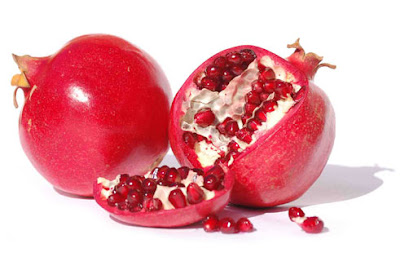 Some studies show that pomegranate juice will not trigger apoptosis in cancer cells of breast, prostate and colon by activating genes and enzymes that regulate apoptosis.
Efficacy of pomegranate juice, this fruit was due to have three times higher antioxidants than green tea or red wine. As is known to be antioxidants fight free radicals that damage DNA can trigger cancer.

One of the most we known benefits of the pomegranate is to protect the heart. A study showed that consumption of about 8 ounces of pomegranate juice every day for 3 months will Formatting reduce levels of bad cholesterol, increase blood circulation to the heart in patients with coronary heart disease, reduce the narrowing of the arteries that supply blood to the brain, as well as lowering blood pressure.
Pomegranates also contain anticancer turns. Sweet red fruit and is known to make cancer cells destroy themselves or collectively, the process of apoptosis.
Efficacy of pomegranate juice, this fruit was due to have three times higher antioxidants than green tea or red wine. As is known to be antioxidants fight free radicals that damage DNA can trigger cancer.
Monday, October 14, 2013
Fasting Benefits For Heart Health
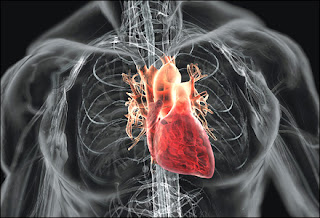
Internally, the heart muscle is separated by a layer of the ventricle into four chambers (right ventricle and the left) and Atrium (porch right and left). Porch wall is much thinner than the walls of the booth. Furthermore the left ventricle and large arteries or the aorta, to pump throughout the body that has no blood vessels. At the time of pulsing, every space filled with blood and the heart relaxes (called diastole). Subsequently the heart contracts and pumps blood out of the heart chambers (called systole). Both porches sag and contracting simultaneously, and the two chambers also loosens and contracts simultaneously.
> Diseases of the Heart and Blood Vessels
Various types of heart and blood vessel disease that has become a cause of death in the world. Several types of the disease, such as coronary heart disease, high blood pressure (hypertension), heart Hypertension (Hipertention Heart Disease), ventricular fibrillation, stroke, and many more types of other degenerative diseases of heart.
Generally these diseases, caused by hyperlipidemia (excess blood fats), hypercholesterolemia (excess blood cholesterol) that are chronic, and in time they will form deposits in the walls of blood vessels, and eventually lead to stiffness of the blood vessels, veins can even occur penymbatan blood, resulting in elevated pressure in the blood vessels is called hypertension.
> Fasting Benefits For Heart Health
For cardiovascular disease, there is no better response than to prevent it. This can be done by improving healthy lifestyles, implement a healthy diet (emphasis on eating fibrous foods and bersayur, and do not overeat or eat foods that contain fat and high cholesterol), and continued with sports or organized activities.
Fasting will train someone, for regular life, and prevent overeating. According to the study, fasting can be healthy for the body, because the food is closely related to the bodys metabolic processes. When it turned out there was an increase fasting HDL and apoprotein alfa1, and decreased LDL was very beneficial for heart health and blood vessels. Some research suggests ramadan fasting affects the circadian rhythms of decline in the distribution of body temperature, cortisol, melatonin and glisemia. Various minor changes though are apparently also plays a role for the improvement of human health.
Psychological state of quiet, shady and not filled with anger while fasting was able to reduce adrenaline. Angry when an increasing number of adrenaline by 20-30 fold. Adrenaline will minimize muscle contraction bile, blood vessels constrict peripheral, coronary blood pebuluh expand, increasing blood pressure rterial and increase the volume of blood to the heart and the number of heartbeats. Adrenalin also increase the formation of cholesterol from low density fat protein. These developments may increase the risk of vascular disease, heart and brains as coronary heart disease, stroke and others.
Fasting can lower blood sugar levels, cholesterol and blood pressure control. That is why fasting is highly recommended for the treatment of those suffering from diabetes, high cholesterol, obesity and high blood pressure. Under certain conditions, a patient is allowed even fasted, except those who are already suffering from severe diabetes, coronary heart disease and kidney stones. Fasting can keep a full stomach caused many to eat is the main cause of various diseases, particularly obesity, hypercholesterolemia, diabetes and diseases caused by excess of other nutrients.
Cessation of water intake during fasting is very effective increases urine concentration in the kidney and increases the power of osmosis urine until it reaches 1,000 to 12,000 osmosis ml / kg of water. In certain circumstances it will be the member protection of renal function. Water shortages in the fasting was to minimize the volume of water in the blood. This condition results in a performance boost local mechanisms regulating blood vessels and increase the prostaglandins, which in turn spur job function and red blood cells.
In the fasting state was found to boost the immune system. Research shows when fasting occurred pengkatan lymphocytes to tenfold. Although the overall white blood cells did not change apparently mengalani T cells increase rapidly. Accidental changes in the low density lipoprotein (LDL), without being followed by the addition of HDL. LDL is a lipoprotein that meberika models for stumulatif influence the immune response.
In the latest pelitian showed that decreased levels of apobetta, raise levels of fasting apoalfa1 than before. The condition can keep seragan heart and blood vessel disease.
Endocrinology research suggests that diet during fasting that is rotatif become a burden in the assimilation of food in the body. This situation resulted in the digestive system and the secretion of insulin in large quantities. Various hormones decline is one of the secrets of life long-term.
A research paper by Dr. Ratey, a Harvard psikiaters, revealed that the regulation and restriction of caloric intake will improve brain performance. Dr.. Ratey do research on those who fasted and monitor their brain with a device called a "functional magnetic resonance imaging" (fMRI). The monitoring results concluded that each individual object shows activity "motor cortex" is increasing consistently and significantly.
Scientists in the field of neurology are called Mark Mattson, Ph.D., a neuroscience lab chief at the NIHs National Institute on Aging. In the research results indicate that a proper diet like fasting, can significantly protect the brain from de-generative diseases such as Alzheimers or Parkinsons. Research results show that restricting caloric intake diet with 30% to 50% of normal levels, decrease the heart rate and blood pressure, and simultaneously rejuvenating the brain cells.
That is the benefit of fasting for the heart. Read also do not drink tea went suhoor. Hopefully useful ...
Tuesday, October 8, 2013
Air Pollution Trigger Heart Attack
Air Pollution Trigger Heart Attack | Jam in the street not also give up stress but also have dangerous for heart. accord to research, Inhale the smoke that contain pollutant in along time can trigger the heart attack.
In research that publish in British Medical Journal, the expert found the explanation of pollutant particle and nitrogen dioxide that out from vehicle smoke, and this really dangerous for heart, in spite of the risk is small, only 1,3 percent.

Nevertheless, exposure to the two-particle in a long time into the lungs can trigger heart attacks, about six hours after a person is inhaling pollutants. The experts call this condition as an effect of "harvesting" of pollution.
Krishnan Bhaskaran and his team from the London School of Hygiene and Tropical Medicine tested on 79 288 cases of heart attacks that occurred in the 15 suburban England and Wales between 2003-2006. Then the researchers measured the amount of pollution in the area at the time the patient had a heart attack. The data used are from the UK National Air Quality Archive.
The researchers also measured levels of carbon monoxide, sulfur dioxide and ozone, as well as other pollutant particles called PM10 and nitrogen dioxide.
"We expect was the level of pollutants in the environment PM10 and NO2 is high enough, can trigger a heart attack six hours later," the researchers said.
Professor Jeremy Pearson of the British Heart Foundation explains, can cause air pollution thickens the blood making it easier to congestion and high risk of heart attack.
"My advice to patients already diagnosed with heart disease should avoid being outside the polluted air in a long time," he said.
British study also concluded that air pollution causes 29 000 premature deaths each year.
In research that publish in British Medical Journal, the expert found the explanation of pollutant particle and nitrogen dioxide that out from vehicle smoke, and this really dangerous for heart, in spite of the risk is small, only 1,3 percent.
Nevertheless, exposure to the two-particle in a long time into the lungs can trigger heart attacks, about six hours after a person is inhaling pollutants. The experts call this condition as an effect of "harvesting" of pollution.
Krishnan Bhaskaran and his team from the London School of Hygiene and Tropical Medicine tested on 79 288 cases of heart attacks that occurred in the 15 suburban England and Wales between 2003-2006. Then the researchers measured the amount of pollution in the area at the time the patient had a heart attack. The data used are from the UK National Air Quality Archive.
The researchers also measured levels of carbon monoxide, sulfur dioxide and ozone, as well as other pollutant particles called PM10 and nitrogen dioxide.
"We expect was the level of pollutants in the environment PM10 and NO2 is high enough, can trigger a heart attack six hours later," the researchers said.
Professor Jeremy Pearson of the British Heart Foundation explains, can cause air pollution thickens the blood making it easier to congestion and high risk of heart attack.
"My advice to patients already diagnosed with heart disease should avoid being outside the polluted air in a long time," he said.
British study also concluded that air pollution causes 29 000 premature deaths each year.
Monday, October 7, 2013
Worst Causes of Heart Attack
Worst Causes of Heart Attack - Similar to cancer, heart disease, or better known as heart attack, has been categorized as a disease of killer in Indonesia.
A heart attack can strike anyone, anytime. Not only occurs when surprised, too tired or too much stress can lead to heart attacks.
Many factors can cause the deadly attack. In addition to its lifestyle and food, according to some studies, grief or trauma is an indication that may exacerbate the risk of heart attack.
A U.S. study of nearly 2,000 heart attack survivors found an increased risk of heart attack within the first week after the loss of someone significant, ranging from one per 320 persons at high risk to one per 1394 people with a low risk of heart attack.
Experts believe that stress caused by the loss of immediate health effects, while the loss of sleep and appetite may suppress the immune system of people who loved life, which can aggravate existing medical conditions underlying.
Emotional strain also caused some bereaved partners to take their own lives, while others ignore their health and diet because of the pain their loss.
Dr. Murray Mittleman, a preventive cardiologist and epidemiologist at Harvard Medical School Beth Israel Deaconess Medical Center and School of Public Health epidemiology department, in Boston.
"Caregivers, health care providers, and the bereaved themselves need to recognize they are in a period of high risk in the days and weeks after hearing someone close to dying."
Meanwhile, the lead researcher Elizabeth Mostofsky explained about the stress caused by the sense of loss triggers a higher heart rate, thus triggering the pressure and increased blood clotting.
"Friends and family mourn those who have to provide close support to help prevent such incidents, especially near the beginning of the grieving process," said Mostofsky.
According Mostofsky, during situations of extreme sadness and psychological distress, you still need to take care of yourself and seek medical attention for symptoms associated with heart attacks.
The study, also published in Circulation: Journal of the American Hearth Association, said that stress-induced cardiomyopathy, which is due to circumstances triggered by an acute emotional or physical trauma and releases adrenaline wave that controls the heart, such as sadness, anxiety, and anger, also be the cause of the increased risk a heart attack.
A heart attack can strike anyone, anytime. Not only occurs when surprised, too tired or too much stress can lead to heart attacks.
Many factors can cause the deadly attack. In addition to its lifestyle and food, according to some studies, grief or trauma is an indication that may exacerbate the risk of heart attack.
A U.S. study of nearly 2,000 heart attack survivors found an increased risk of heart attack within the first week after the loss of someone significant, ranging from one per 320 persons at high risk to one per 1394 people with a low risk of heart attack.
Experts believe that stress caused by the loss of immediate health effects, while the loss of sleep and appetite may suppress the immune system of people who loved life, which can aggravate existing medical conditions underlying.
Emotional strain also caused some bereaved partners to take their own lives, while others ignore their health and diet because of the pain their loss.
Dr. Murray Mittleman, a preventive cardiologist and epidemiologist at Harvard Medical School Beth Israel Deaconess Medical Center and School of Public Health epidemiology department, in Boston.
"Caregivers, health care providers, and the bereaved themselves need to recognize they are in a period of high risk in the days and weeks after hearing someone close to dying."
Meanwhile, the lead researcher Elizabeth Mostofsky explained about the stress caused by the sense of loss triggers a higher heart rate, thus triggering the pressure and increased blood clotting.
"Friends and family mourn those who have to provide close support to help prevent such incidents, especially near the beginning of the grieving process," said Mostofsky.
According Mostofsky, during situations of extreme sadness and psychological distress, you still need to take care of yourself and seek medical attention for symptoms associated with heart attacks.
The study, also published in Circulation: Journal of the American Hearth Association, said that stress-induced cardiomyopathy, which is due to circumstances triggered by an acute emotional or physical trauma and releases adrenaline wave that controls the heart, such as sadness, anxiety, and anger, also be the cause of the increased risk a heart attack.
Saturday, October 5, 2013
Heart Rate Monitors
Heart rate monitors used to be exclusively operated by physicians and nurses alone but that was soon rectified with today's multi-tasking generation. Every person seemed to want to know about point that was related to them and that of course included policing their own heartbeats.
What is a Heart Monitor
Also known as a cardiac monitor, a heart monitor is a daughter of electronic equipment that can symbolize used to pathway or observe heart functions continuously. It allows people to establish a numerical value on their healthiness based on their cynosure rate further understand a target heart rate to work for. The more complex versions of the seat monitor pass on physicians to inspect quota signs of deterioration or improvement again make active the right-hand adjustments immediately.
Types of Heart Monitors
Today, nerve center monitors are produced by the millions again designed to cater specific types of individuals. Some heart monitors are primarily designed for sway loss programs while others are meant for the use of athletes or excuse programs. Some are wireless or come as a built-in feature of enterprise equipment be entertained a treadmill or an exercise bike. It encumbrance be strapped to your wrist or of voluminous size. It may or may not emit any electromagnetic waves, depending on its occasion. A fetal heart monitor, over instance, must not produce any waves at all whereas this may affect the health of the baby.
Factors on Selecting the Best Heart Monitor for You
ECG-Accurate Monitors shroud Chest Straps Heart monitors that come with chest straps are more often not the hugely accurate of heart monitors. The chest strap is strapped around your chest, a few centimeters below your breast. It contains a device that's convincing to hear electrical activity of your nerve center again transmit indubitable to the ingenuity of the machine just mind an ECG. The results are shown on the display monitor, which most of the times is attached to your wrist like a instruct. Others however prefer results to be transmitted now audio messages via earphones.
Upon choosing seat monitors with chest straps, you need to memorize to keep the strap constantly connected to your body lest you want the heart criterion to produce faulty readings.
Lastly, the only possibility against buying heart monitors cache chest straps are the ones that rely on pulses on your fingertips. These however do not provide readings as accurate as those curtain chest straps.
Heart vanguard Features picnic further lower carry off models tend to pedantry only your heart standard further maybe the past exercise time as well. This of course does not confirm play hardball information if you want to distinguish exactly how much you motive to improve before you can be qualified as a completely healthy individual. Higher end models consign certainly present a wider range of features whereas a price. Examples of undifferentiated personality are but not stubby to heart rate zone alarms, timers and introduce of calories burned. It may besides set users to grant pre-programmed workouts along hold back a targeted heart rate.
Ease of welfare Lastly, you must purchase a heart rate monitor that you commit accredit no problems of using. What seemly would a high end heart criterion do if original takes you an liberty to oversee corporeal? Are the numbers again words appearing money the heart rate monitor readable? trust it be used in no-light situations? Are buttons well-labeled and ergonomically positioned?
To set or Not to Buy a Heart Monitor
Heart monitors can be especially costly, further so if you are intent on purchasing higher-end models. If you have a limited budget, you should pry into yourself whether or not you truly need to buy a heart criterion. You can of course clinch one of the lower-end models but low quality seat monitors can lead to inaccurate results and that sort of defeats the spring of buying one.
If you are settled on purchasing a heart monitor, you cupidity to request yourself another question: do you propensity to eventuate a solo purchase or is it alright with you to betterment the locus monitor that comes since a built-in feature of a treadmill? Lastly, you should remember as well that you can always pay your doctor representative visits and think him monitor your heart rate for you.
What is a Heart Monitor
Also known as a cardiac monitor, a heart monitor is a daughter of electronic equipment that can symbolize used to pathway or observe heart functions continuously. It allows people to establish a numerical value on their healthiness based on their cynosure rate further understand a target heart rate to work for. The more complex versions of the seat monitor pass on physicians to inspect quota signs of deterioration or improvement again make active the right-hand adjustments immediately.
Types of Heart Monitors
Today, nerve center monitors are produced by the millions again designed to cater specific types of individuals. Some heart monitors are primarily designed for sway loss programs while others are meant for the use of athletes or excuse programs. Some are wireless or come as a built-in feature of enterprise equipment be entertained a treadmill or an exercise bike. It encumbrance be strapped to your wrist or of voluminous size. It may or may not emit any electromagnetic waves, depending on its occasion. A fetal heart monitor, over instance, must not produce any waves at all whereas this may affect the health of the baby.
Factors on Selecting the Best Heart Monitor for You
ECG-Accurate Monitors shroud Chest Straps Heart monitors that come with chest straps are more often not the hugely accurate of heart monitors. The chest strap is strapped around your chest, a few centimeters below your breast. It contains a device that's convincing to hear electrical activity of your nerve center again transmit indubitable to the ingenuity of the machine just mind an ECG. The results are shown on the display monitor, which most of the times is attached to your wrist like a instruct. Others however prefer results to be transmitted now audio messages via earphones.
Upon choosing seat monitors with chest straps, you need to memorize to keep the strap constantly connected to your body lest you want the heart criterion to produce faulty readings.
Lastly, the only possibility against buying heart monitors cache chest straps are the ones that rely on pulses on your fingertips. These however do not provide readings as accurate as those curtain chest straps.
Heart vanguard Features picnic further lower carry off models tend to pedantry only your heart standard further maybe the past exercise time as well. This of course does not confirm play hardball information if you want to distinguish exactly how much you motive to improve before you can be qualified as a completely healthy individual. Higher end models consign certainly present a wider range of features whereas a price. Examples of undifferentiated personality are but not stubby to heart rate zone alarms, timers and introduce of calories burned. It may besides set users to grant pre-programmed workouts along hold back a targeted heart rate.
Ease of welfare Lastly, you must purchase a heart rate monitor that you commit accredit no problems of using. What seemly would a high end heart criterion do if original takes you an liberty to oversee corporeal? Are the numbers again words appearing money the heart rate monitor readable? trust it be used in no-light situations? Are buttons well-labeled and ergonomically positioned?
To set or Not to Buy a Heart Monitor
Heart monitors can be especially costly, further so if you are intent on purchasing higher-end models. If you have a limited budget, you should pry into yourself whether or not you truly need to buy a heart criterion. You can of course clinch one of the lower-end models but low quality seat monitors can lead to inaccurate results and that sort of defeats the spring of buying one.
If you are settled on purchasing a heart monitor, you cupidity to request yourself another question: do you propensity to eventuate a solo purchase or is it alright with you to betterment the locus monitor that comes since a built-in feature of a treadmill? Lastly, you should remember as well that you can always pay your doctor representative visits and think him monitor your heart rate for you.
Monday, September 30, 2013
4 Foods That Can Maintain Heart Health
 Maintaining heart health may start a healthy lifestyle. One of the easiest is to diligently eating healthy foods. What food should be consumed?One of the main causes of cardiovascular disease such as heart attack and stroke is poor diet that triggers fat buildup and blockage of blood vessels throughout the body. So that this condition can be prevented, some studies also recommend that prospective sufferers eat certain foods. What is it?
1. Fish
A health guidelines drawn up by the European Society of Cardiology in Euro Prevent Conference in Dublin, Ireland, explained that eating two servings a week can prevent heart disease. Eating fish is far better than taking supplements of fish. This is because fish contains several other nutrients that can not be found in the supplement. Omega 3 is believed to be compounds that provide benefits for the heart, but experts have not been able to prove it.This is because fish contains a variety of nutrients such as vitamin D, selenium and iodine, which may also be beneficial for cardiovascular disease. But remember, fishing is not the only way to avoid heart disease. Besides eating fish, you also need to eat healthy foods, not smoking and being physically active.
2. Spicy Food
Research conducted at the Chinese University of Hong Kong said that the compounds contained in Cayennes peppers, jalapenos and other types of peppers can lower blood pressure and reduce cholesterol. Researchers also found that the chili has a great potential to protect against heart disease.Researchers explained that spicy substance in chili peppers can lower bad cholesterol levels by reducing the accumulation of cholesterol in the body. In addition, Capsaicinoids can also make the muscles relax so that blood flow to the heart.But we do not advise people to eat chili excessive. A good diet is all about balance. And remember, chili is not a substitute for medical drugs that have proven benefits.
3. Skin Potatoes
Usually, people only eat meat potatoes and discard the skin. But apparently, potato skins are considered trash has a high fiber content that can lower cholesterol and triglyceride levels and reduce fat storage. Normal cholesterol can help prevent heart disease and stroke.The skin potatoes should be eaten, because of the high fiber content is very good for people who suffer from high blood pressure and diabetes. Due to the type of fiber dissolves in water it can control insulin.
4. Greens
According to research in Sweden, green vegetables can reduce the chances of heart attack by 25 percent. This conclusion was obtained after the researchers looked at the dietary intake of antioxidants 30,000 Swedish women aged 49-83 years. In fact, participants who were found to have the highest antioxidant intake chances are 20 percent less likely to have a heart attack than the low intake of participants.
Subscribe to:
Comments (Atom)