Showing posts with label nutrition. Show all posts

Thursday, February 6, 2014

Calorie Restriction With Optimal Nutrition CRON Life Extension

It has been know for nearly 80 years that restricting calorie intake leads to an extension of life among most animal species. Many have speculated that the same principles may apply to humans as well, although it is a difficult theory to prove scientifically due to the extreme time frame required to conduct the experiment (in excess of 120 years!) Nevertheless, it is an intriguing theory which could provide many additional, healthy years to ones lifespan.

Calorie Restriction requires that 20% - 30% less calories are consumed below the normal level eaten. For example if 2500 calories are required to maintain a healthy weight, then around 1800 calories would constitute a restricted dietary lifestyle. The other component is to ensure that sufficient required vitamins and mineral nutrients are also included in the daily diet. Naturally this requires the elimination of all junk food in favor of healthful vegetables (mostly raw), minimal lean protein sources, nuts, seeds and oils.

To begin this type of diet, one must proceed slowly. Although weight loss is not the goal here, typically the pounds will come off... be sure to limit to no more than 1 - 2 pounds per week. This is because the body releases stored toxins in the body fat as it is reduced, and losing too rapidly can provide a toxic overload to the body. Once you have followed a health eating pattern for a minimum of two weeks, you will no longer crave the sugars, fried foods and fast foods which make up the typical Standard American Diet (SAD). The most important part of this eating style are the biochemical alterations which immediately occur in the body. Lipid profiles alter toward lower cholesterol ratios (HDL-C to Total Cholesterol and Triglycerides to HDL-C), which are the real indicators of cardiovascular health.

Blood pressure will decline to normal levels and your basal body temperature will typically fall to a level 1 - 2.5 degrees below the normal of 98.6. It is of note that the normal temperature reading is an average established over many years which is an example of the inflammation levels of the average person. Excess inflammation in the body results in higher body temperature. After several weeks of restriction, you will find your morning basal body temperature drop. This is a good indicator that you have already reduced your core temperature and that restriction is having a positive effect.

It is essential to monitor everything that you eat. You cannot follow this lifestyle without knowing the calorie and nutritional content of every item you consume. The best tool to use for monitoring is the free CRON-O-METER (spaz.ca/cronometer/). Enter all foods (and it is important to weigh the foods at first) in this handy tool as you eat. It will provide you with the calorie content as well as the nutritional breakdown. Mix your food choices to get the proper mix of nutrients. You will quickly find that there is no room for any food types which provide little or no nutritional value.

Sunday, February 2, 2014

Misleading Nutrition Labels Lead to Weight Loss Failure

(Article first published as Are Nutrition Labels the Real Reason You Can’t Lose Weight? on Technorati.)
We all pick up food items in the grocery store and quickly glance at the nutrition label to see how many calories are in our favorite meal. Some make it down to the fine print to check out the carbs, sugar, fats and sodium. The problem is most people don’t make the connection between the misleading serving sizes listed.

Manufacturers know that their customers examine the required labels before they make a purchase, and do a good job to make you think you can eat more and consume fewer calories. Even the portion size on the nutrition label can influence whether you view the product as fattening. And we all know this has a direct impact on how much you eat and your ability to lose weight.

Label Size Influences Caloric Perception
It appears that people are easily misled when it comes to interpreting food labels, and will eat more of an item if they believe it is a small portion. Information from a new study published in the Journal of Consumer Research showed that the way a manufacturer listed the portion size on the label influenced how much a consumer would be likely to eat.

Researchers provided consumers with different food items and determined how much people would eat based on the food label. Large portions were intentionally labeled as small, and participants ate more and felt less guilt in their choices. The study authors called this ‘guiltless gluttony’. Similarly, when the large serving was labeled correctly, people ate less and experienced a higher level of guilt if they overate.

Manufacturers Use Food Labeling as a Marketing Gimmick
Food manufacturers have been slowly altering the portion sizes on many food products to intentionally fool the consumer. The result is the expanding American waistline and the problem we know as the obesity epidemic. People want to make the right food choices by selecting lower calorie fare with less sodium and no hydrogenated fats. Food selection becomes much more difficult when manufacturers use their marketing tricks so we purchase products that are unhealthy and laden with excess calories.

Be Vigilant When Grocery Shopping
The key to winning the food labeling battle is to become an empowered consumer. Examine every label and scrutinize the serving size and calorie content. Do the math to determine the total calories in the serving that you will actually eat, not in the small serving size listed on the label. Most people will eat at least twice as much as listed for one serving, and feel the calories they consumed is the amount listed on the label for one serving. This type of miscalculation rapidly leads to weight gain and obesity.

Food manufacturers utilize focus groups to find ways to compel you to buy their products and eat more than you intend. Deceiving food label practices are just another way being used to drive sales and encourage over consumption. Read nutrition labels caully, determine the actual calories in a real serving and use that information to your health and weight advantage.

Tuesday, December 10, 2013

Eating Pattern of Antidiabetes Healthy nutrition

Eating  Pattern of Antidiabetes
Eating pattern of anti diabetes - Diabetes type-2 is the disease that caused by lifestyle. The complication this disease can trigger the death disease. But, this disease really can prevented, one of this way is by eating pattern.

1. Eat on small portion
This eating technique can reduce calories number that come to body. learn the number of serving that recommended by dietician for each food.

2. Less the fat
Avoid the higher fat food and use only a little of oil when frying or cooking. use the healthy fish oil, dont use the same fish oil for frying for any times.

3. Limit the saturated fat
Food saturate fat source is like fatty meat, frying, full cream milk, cakes, sweets, biscuits, pastries, margarine, and many more. Choose salad dressings that are more healthy as olive oil.

4. Expand fiber

Sources can be found in cereal fiber made ​​from 100 percent wheat, oatmeal, brown rice, whole wheat bread.

5. Expand vegetables and fresh fruit

Eat a variety of vegetables and fruit every day. Choose fruits and vegetables fresh. Make a 100 percent fruit juice from fresh. Do not added sugar because the fruit was quite sweet. Eat dark leafy vegetables such as broccoli and spinach, orange vegetables like carrots, sweet potatoes, pumpkin, and nuts.

6. Limit sweet foods

If possible, avoid fruit-flavored drinks, soda, tea, and coffee is very sweet. Sugar in the drinks was very high. This is what makes the stomach so distended.

7. Reduce salt

Use less salt when cooking. If possible, do not add salt at the dinner table anymore. Avoid sources of hidden salt, such as pickles, processed meats, canned vegetables.

Wednesday, November 27, 2013

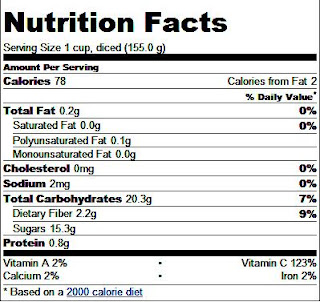
Pineapple Nutrition Facts


Pineapple nutrition facts - Pineapple, Ananas comosus, Bromeliaceae family joined in, and became one of the fruits that have a compound that is essential for health, the enzyme bromelain. Pineapple nutrition facts are one of the subjects of expert experiment t o get information of pineapple.

Pineapple Nutrition Facts

Pineapple Nutrition Facts
Table of Pineapple Nutrition Facts
Bromelain is a combination of enzymes that are proven to reduce inflammation and reduce swelling of certain types. This enzyme prevents the production of kinins that form during inflammation. In human clinical trials, bromelain significantly demonstrated anti-inflammatory effects, reducing swelling in inflammatory conditions such as acute sinusitis, sore throat, rheumatism and gout, and speeding recovery from injury or surgery. To maximize the anti-inflammatory effects of bromelain, the pineapple should be eaten in between meals or contain enzymes will be used to digest food.
Pineapple nutrition facts  incredible source of the mineral manganese, which is an essential cofactor of several enzymes important in energy production and antioxidant defense form.

Benefits of Pineapple Nutrition Facts

Benefits of Pineapple Nutrition Facts
Health Benefits of Pineapple Nutrition Facts 
In addition to manganese, pineapple is a source that contains lots of vitamin C and a source of vitamin B1, copper, dietary fiber and vitamin B6. Among the various benefits of vitamin B1, vitamin it has the ability to increase blood circulation and provide a greater supply of oxygen to the blood cells. In addition, vitamin B1 is known to help metabolize carbohydrates right, so it is important to get good digestion.
pineapple fruit shop
 Pineapple Fruit Shop

pineapple harvest
pineapple harvest
 Pineapple Harvest to Get Pineapple Nutrition Facts
Pineapple nutrition facts are very diverse and very beneficial for our bodies. There are various studies on pineapple nutrition facts done a lot to know the pineapple nutrition facts for our health. Pineapple nutrition facts are one of the subjects of expert experiment t o get information of pineapple.

Monday, November 25, 2013

5 Vital Nutrition to Children

5 Vital Nutrition to Children | Here are 5 types of nutrients that children need more of in future growth.

1. Calcium

Calcium will maximize the growth of bones and skeletons, both in childhood and beyond. In sufficient quantities, the calcium in the body necessary for muscle function, heart rate, and blood clots. The body will take calcium from bones to maintain required levels in the blood. This is why children need adequate calcium intake every day.

In teens age, girls need enough calcium because of lack of this mineral could be at risk of bone loss in old age. How much calcium is needed by the child? At the age of 1-3 years, children need to be 500 mg, and the age of 4-8 years when the need rises to about 800 mg. These needs can be met from dairy products and vegetables.

Another advantage of adequate calcium intake in childhood is low body fat levels.

2. Protein

"The protein is part of every tissue in the body therefore it is necessary the child," said Sheah Rarback, director of nutrition of the Mailman Center for Child Development.

Proteins are produced in calories, but actually taken the body is an amino acid which is the raw material to build cells and tissues as well as components in the whole process of the body, including enzymes and hormones.

Protein can be obtained from animal and vegetable products. Animal protein, especially eggs accounted for the essential amino acid that can not be made the body and are not found in vegetable products.

3. Fiber

Kids need fiber as well as adults need it. Research shows those who consume enough fiber has a risk of diabetes is lower, as well as high cholesterol. In children, the fiber will prevent constipation and meet their needs for vitamins and minerals.

4. Antioxidants

Antioxidants, including vitamin C, vitamin E, beta-carotene, and the mineral selenium, in the last decade received much attention from scientists in particular will benefit in preventing disease. In children, antioxidants also serve to boost the immune system.

In children, antioxidants can be met through food. Especially fruits and brightly colored vegetables, like broccoli, cherries, spinach, tomatoes, and much more.

5. Iron

In children, growth is strongly influenced by the adequacy of iron in their bodies. Their blood cells need iron to carry oxygen to every cell in the body. Iron also plays an important role in brain development and function.

According to Rarback, the adverse effects of iron deficiency in a childs brain may not be fixable.

Children at high risk of iron deficiency because their rapid growth while their intake of less. Meanwhile, the young women who begin menstruating also lose red blood cells each month. Iron deficiency can lead to anemia.

Food, either from animals or plants contain iron. However, iron from meat and seafood is more readily absorbed.

Tuesday, November 19, 2013

Many nutrition problems Attacking Teens

Health for human | Even a teenager, teens still need a good order intake nurisi development and growth over the maximum. But there are some nutritional problems that often affect young people in general.

Physiological changes occur during adolescence can affect nutritional needs, including for rapid growth, more rapid growth is usually seen in teenage boys. But teenagers sometimes choose inappropriate foods that affect the nutritional intake that enter the body. This often happens when a teenager.

Here are some nutritional problems are common in young people:

1. Iron deficiency
This condition is most common. Rapid growth coupled with lifestyle and poor food choices can lead teens to have anemia due to iron deficiency, especially in young girls when she was menstruating.

The main food sources that contain iron are red meat, cereals, dried fruit, bread and green leafy vegetables. Source of iron that comes from non-meat intake of other nutrients needed to enhance the absorption of food rich in vitamin C (citrus, blackcurrant and green leafy vegetables), while the substances contained tannins in tea can reduce iron absorption.

2. Lack of calcium
The survey found about 25 percent of teens had calcium intake lower than recommended so that the impact on bone health in the future, one of which is osteoporosis which makes bones brittle and easily broken.

The bone will continue to grow and be strengthened until the age of 30 years and adolescence is a pivotal time for this development. Necessary nutrients such as vitamin D, calcium and phosphorus.

Rich sources of calcium should be consumed is milk and milk products, such as a glass of milk, 150 grams of yogurt and a piece of cheese small size. If you can not consume dairy products, then consume fortified soy milk, or if the fear of fat content choose low-fat milk (low fat).

3. Malnutrition due to wrong diet
Various studies have reported many young people, especially women who are dissatisfied with their weight, so a diet the wrong way such as skipping meals, avoiding red meat, but eating snacks and sugary.

This is not the right choice and healthy because at that age the bodys accelerated growth requires an increase in nutrients. If done wrong diet then the body will get the nutrients that are important in small quantities or not at all.

Should consume foods sensibly, exercise regularly, reduce sugary foods and excess fat to reduce calories while maintaining nutritional intake. Besides the teenage years are a lot of time led to the development of eating disorders.

Tuesday, October 29, 2013

Proper Nutrition for Breast Health


Each person will maintain the health of the organs in the body. For women, breast health also important to avoid the various problems and increase confidence. For breast care was easy because it does not have to do a lot of things. What is needed just to make sure the breast get propernutrition to stay healthy.

There are certain nutrients that are important for breast and should be included in the daily diet, as quoted from Lifemojo, namely:

1. Eating green leafy vegetables
Do not forget to include green leafy vegetables such as broccoli, cauliflower, and baby kailan in the daily menu. This is because these vegetables are rich in antioxidant vitamins (vitamin E, C and A) and fiber. These antioxidants will eliminate free radicals and toxins from the body.

Green leafy vegetables also contain a number of indoles, and sulforaphane (phytochemicals that help fight carcinogens and toxins). Joint compound will protect against breast cancer and tumors.

2. eat fish
Fish is rich in omega-3 fatty acids and vitamin D are very high. These two components are very good that healthy breasts, so make sure there are fish in the diet.

3. Eating vegetable protein
Soy foods such as tofu and miso are rich in protein, while other vegetable products like beans contain protein, folic acid and fiber is good for Breast Health.

4. Eating berries
If you do not really like vegetables, it could not hurt to replace the fruit. Berries are known to contain fiber and vitamin C, so it can be added to yogurt, cereal, salads or eaten directly.

5. Consuming a glass of orange juice
Orange juice is rich in vitamin C which can effectively help keep fit and healthy breasts. If you do not like juiced, it could not hurt to eat the fruit directly. This fruit is very active role in enhancing the immune system, including protecting the breast from infection.

Tuesday, October 15, 2013

Diabetes Diet Nutrition and Herbal Treatment That Works

Diabetes or diabetes mellitus is a disease tormenting many these days. The advent of modern technology and craze for high profile life style is the root of several serious ailments including diabetes. The patient suffering from diabetes has an increased glucose level in blood. Our food intake supplies us with carbohydrates which get converted in to glucose. The hormone insulin secreted by pancreas breaks down the glucose and aids the metabolic process by making the glucose enter in to body cells and energizing the body as a whole.
Diabetes DietWhen the cells of the pancreas become incapable of producing sufficient insulin or when body cells become resistant to insulin, glucose collects in blood and soon the level shoots up resulting in diabetes. There are three major types of diabetes: Type1, Type2 and Gestational diabetes. Type1 diabetes occurs when the amount of insulin produced by pancreas falls short of the bodys requirement of insulin. Type2 diabetes occurs when body cells become non-responsive to insulin or do not take in insulin in the amount they should have taken in.

Gestational diabetes is the result of pregnancy. Glucose levels in blood rise during pregnancy in some women. Heredity, obesity, stress, over-intake of carbohydrates, nutritional deficiencies, and any other disease causing damage to pancreas are diabetes-triggering factors. Diabetes needs timely diagnosis and treatment, or else it may cause serious damage to heart, kidney, eyes, liver and nervous system.

Symptoms

1. Frequent urination
2. Increased hunger
3. Increased thirst
4. Fatigue
5. Loss of weight
6. Blurry vision
7. Palpitation
8. Constipation
9. Yellowish urine with a sweet acidic odor
10. Itching around genitals

Herbal treatment for diabetes

Nature gives us a wide range of herbs that may be used to treat diabetes the natural ways. Some of the herbs may be listed as follows.

1. Onion and garlic have excellent sugar-reducing properties.

2. Bitter melon or balsam pear juice supplies the body with insulin like polypeptide-p and thereby lowers blood sugar.

3. Fenugreek seeds, rich in nicotinic acids and alkaloid trigoneline, prove very effective in treating diabetes.

4. The holy basil is a highly beneficial herb in treating diabetes.

5. Ivy gourd leaf extracts are quite effective in treating retinal disorders due to diabetes.

6. Fully grown curry leaves are an effective cure for congenital diabetes and obesity.

7. Indian gooseberry juice is a pancreas stimulating drink. It stimulates the pancreas to produce more insulin.

8. Butea leaf extracts are useful in lowering sugar levels in blood.

9. Cinnamon is an effective herb for managing diabetes.

10. Powdered, dry mango leaves may be taken in empty stomach for controlling diabetes.

11. Indian plum seeds regulate the metabolic process and also stimulate pancreas.

Article by : Dr Andrew Napier

Article Source : Diabetes Diet, Nutrition and Herbal Treatment That Works

Saturday, October 5, 2013

Food and Nutrition Sector What You Need To Know

Food and NutritionFood and Nutrition is one of the largest, most essential sectors of any government around the world. The supply and demand of food products is essential in any economy, much less in any healthy and thriving community.

The issue of food and nutrition is considered as one of the most essential components of a successful community as it makes up most of a persons daily life. The United States understands this, which is why it has created several governmental agencies that are tasked solely to support and consolidate food and nutrition-related concerns.

On top of the list is the National Institute of Food and Agriculture, otherwise known as NIFA. Established in the year 2008, the agency was specifically designed to consolidate all federally-funded agricultural research, and will be subordinate to the Department of Agriculture.

The mission of the NIFA is to "stimulate and fund the research and technological innovations that will enhance American agriculture and make it more productive and environmentally sustainable while ensuring the economic viability of agriculture and production."

And it aims to achieve this by administering a slew of programs and initiatives like the Food Security Learning Center Program which aims to create and maintain a national, web-based clearinghouse of information on community food security concerns and common community problems related to the underlying causes of hunger and poverty, including the loss of farms and ranches, rural poverty, welfare dependency, hunger, and food access issues.

On the other hand, there also exists the United States Food and Nutrition Service, otherwise referred to as the FNS. The agency operates under the United Department of Agriculture is generally responsible for administering the countrys domestic nutrition assistance programs and initiatives.

The agency has established several projects and grant programs to achieve their primary agency mission, such as the Innovative Food Defense Program (IFDP) which mainly seeks to generate food defense tools and resources which are easily replicated and can most definitely complement, aid in the development of, or improve state, local, tribal and territorial food defense programs.

Meanwhile, there is also the United States Food and Drug Administration (FDA), one of the largest agencies under the United States Department of Health and Human Services.

The FDA is espcially designed to safeguard and promote public health through the regulation and supervision of food safety, tobacco products, dietary supplements, prescription and over-the-counter pharmaceutical drugs (medications), vaccines, biopharmaceuticals, blood transfusions, medical devices, electromagnetic radiation emitting devices (ERED), and veterinary products.

Article by : Iola Bonggay

Article Source : Food and Nutrition Sector: What You Need To Know

Wednesday, September 25, 2013

Nutrition to Prevent Complications of Pregnancy

Health for human | Pregnant women should really pay attention to nutritional intake. Not only because they have to feed the fetus in the womb, pregnant mothers can also prevent many complications of pregnancy by maintaining a balanced nutrition. So it must maintain that balance.

Several disorders of pregnancy are often triggers of maternal deaths are haemorrhage and preeclampsia. 55 percent of maternal deaths due to the disorder associated with unbalanced nutrition.

The following are the types of nutrients needed for multiple preventing various disorders of pregnancy:

1. prevent bleeding
Bleeding during pregnancy (antepartum haemorrhage) or shortly after childbirth (postpartum haemorrhage) can occur due to various factors, one of which anemia or lack of blood. Less blood can be overcome by increasing the intake of iron, but do not overdo it in the first trimester because it can trigger nausea.

In addition to iron that can be obtained through vegetables and red meat, other nutrients needed to reduce the risk of bleeding during pregnancy and childbirth are calcium, folic acid, vitamin B-complex and vitamin A.

2. prevent preeclampsia
Preeclampsia or high blood pressure during pregnancy can be prevented with foods that contain lots of antioxidants. Fruits and vegetables are highly recommended because it contains Vitamin C, A and E, which is a few examples of excellent antioxidant.

In addition, milk fortified with calcium, zinc, manganese, copper, selenium, folic acid, vitamin D and B-complex could also reduce the risk of preeclampsia in pregnant women.

3. prevent infection
A good and balanced nutrition will enhance the immune system, so that pregnant women are not susceptible to infection. Any infection experienced by pregnant women may infect the fetus in the womb, so that growth is disturbed.

To maintain and increase endurance, pregnant women should increase their intake of foods that contain lots of vitamin A, zinc, iron, copper and vitamin B-complex.